
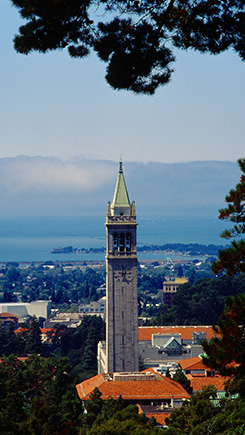
Berkeley’s Sociology Department is known around the world for its excellence in research and teaching. Our faculty advance cutting edge research and teach in most sociological specialities. Our PhDs are leaders in universities and research centers across the US and in many other countries. And our BAs populate the ranks of innumerable professions, bringing with them the skills and special perspective of Berkeley sociology.
We are proud to make these contributions from the world’s leading public university. At Berkeley, we combine intellectual rigor with a commitment to public service through our research, teaching, and service on campus and beyond.
For the past six decades, Berkeley’s Sociology Department has consistently been ranked among the world’s top sociology departments. Our graduate program is ranked #1 in the latest U.S. News and World Report, and our undergrad degree is currently the best in the US according to College Factual and features on Grad Reports’ Best College List 2020.


Prof. Einstein served graduate students as a model of prudence in remaining unfashionably true to the grand…
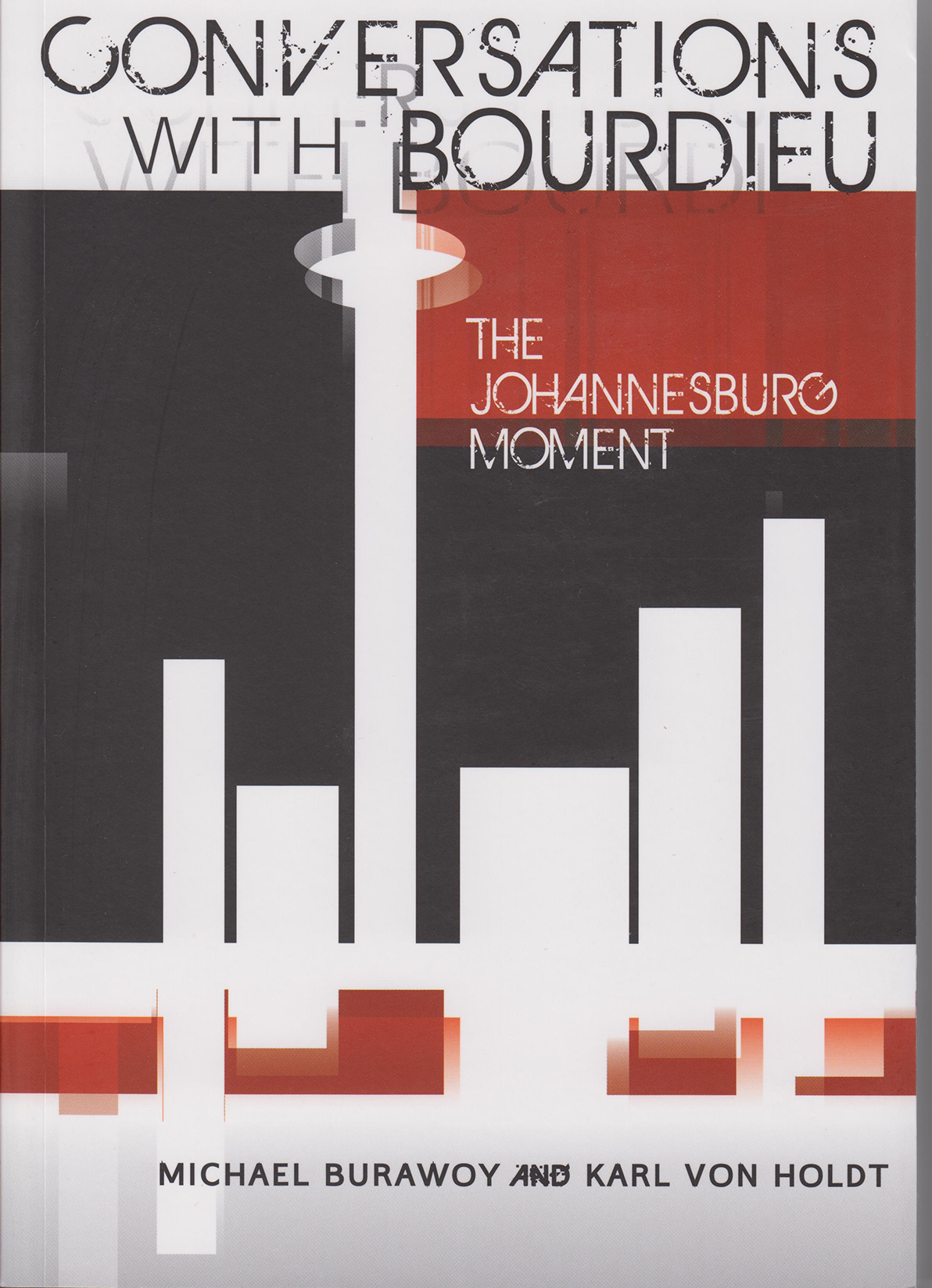
Conversations with Bourdieu
By: Michael Burawoy and Karl Von Holdt
Departmental Colloquium Series
Celene Reynolds, "Unlawful Advances: How Feminists Transformed Title IX
Wednesday, February 18, 2026 - 2:00 pm - Wednesday, February 18, 2026 - 3:30 pm
Blumer Room - 402 Social Sciences Building
Abstract:
The application of Title IX of the Education Amendments of 1972 to sexual harassment remains enormously controversial. Over the last 15 years, US federal officials have issued three different policies specifying what it means to comply with this civil rights law, which prohibits schools from discriminating “on the basis of sex.” These political and organizational battles over Title IX center on the question of how, not whether, the law should regulate sexual harassment. All this is recent: the university policies, procedures, and infrastructure at the heart of the current debate did not exist fifty years ago. Back then, at the time of the law’s passage, no one understood sexual harassment as a problem that schools ought to address. How and why did sexual harassment become illegal under Title IX? Drawing on multiple types of evidence, much never before unearthed, I argue that the women claiming protection under Title IX redefined sexual harassment as a form of sex discrimination barred by the law. Working together in what I call creative coalitions, feminist students and lawyers fundamentally changed the right to equal opportunity in education, reshaping university governance and campus norms. Their collaborations spanned the domains of education and law, generated novel ideas and pathways for action, and enabled these women to make history. The transformation of Title IX is far from finished, however, illustrating the continuing importance of understanding the broader process of modern legal change.
Celene Reynolds is Assistant Professor of Sociology at Indiana University, Bloomington. She studies gendered politics and policies in modern US organizations, both today and historically. She recently published her first book, Unlawful Advances: How Feminists Transformed Title IX (Princeton University Press, August 2025). Her award-winning work has also appeared in the American Journal of Sociology, Social Problems, and Social Science Research, among other outlets, and received support from the National Science Foundation, the National Academy of Education/Spencer Foundation, and the Horowitz Foundation for Social Policy.